Questions? Give Us A Call: (866) 744-4009


Protecting your facility requires more than just owning the right hardware; it requires a strategic layout that accounts for the physical behavior of different gases. While open-path detectors are excellent for "line-of-sight" monitoring across long perimeters, fixed gas detectors like the Otis Instruments OI-6000 are the gold standard for localized, point-source protection. At Industrial Safety Equipment, we offer the OI-6000 specifically to address the rising demand for granular safety data, which has recently trended up by over 30%.
Here is how you can design an effective fixed system layout for VOC monitoring and explosive gas detection using our solutions. Browse online today.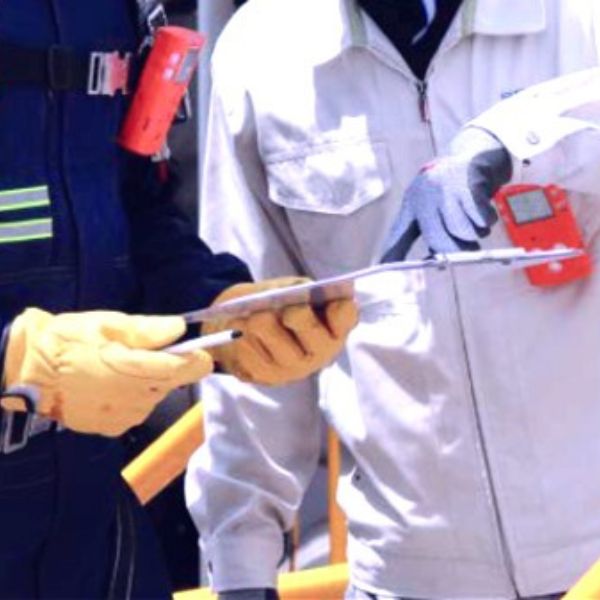
When designing a fixed gas detection system layout, your first step is understanding gas density. Combustible gases (measured by LEL sensors) don’t all behave the same way. If you are monitoring for methane (lighter than air), your OI-6000 should be mounted high. Conversely, for propane or heavy hydrocarbons, the detectors must be placed within 18 inches of the floor. We offer an infrared LEL sensor for maximum reliability, as it is immune to "poisoning" from silicones that can disable traditional sensors.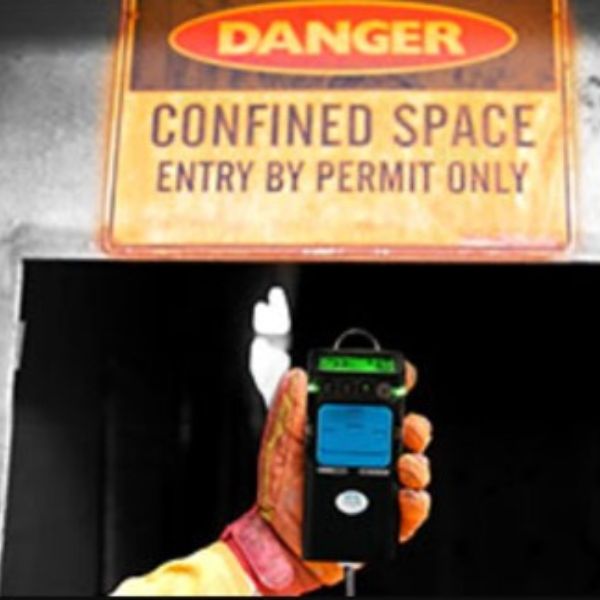
VOCs are often toxic at much lower concentrations than explosive gases. This is where our PID gas detector (Photoionization Detector) is essential. Because VOCs tend to "pool" in areas with poor ventilation, you should place your PID-equipped units near potential leak points like pump seals and storage tanks. This "Area Monitoring" approach ensures you catch trace-level leaks before they reach a dangerous %LEL threshold.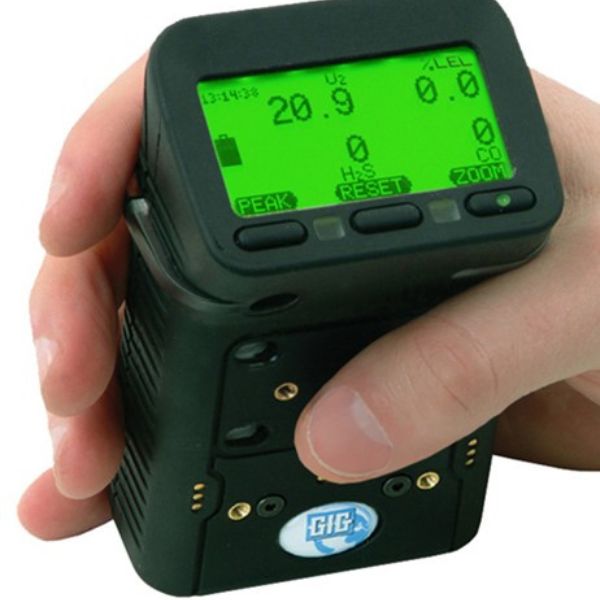
To truly protect a large facility, we recommend transitioning from "point" detection to a "grid" layout. In large open areas, space your fixed detectors in a staggered pattern to account for shifting airflow. Using a smart, explosion-proof gas detector like the OI-6000 allows you to daisy-chain sensors into a central controller. This ensures that even if wind carries a gas plume away from one sensor, a secondary unit in our grid will trigger the alarm.
By focusing on density-driven placement and integrating both LEL and PID sensors, you create a multi-layered shield for your facility. The surge in demand for the fixed systems we provide at Industrial Safety Equipment highlights a shift toward these more durable, high-accuracy solutions. When you move beyond basic portability and invest in a designed fixed layout, you aren't just meeting a code—you’re ensuring a faster, more automated response to industrial threats. Shop today.